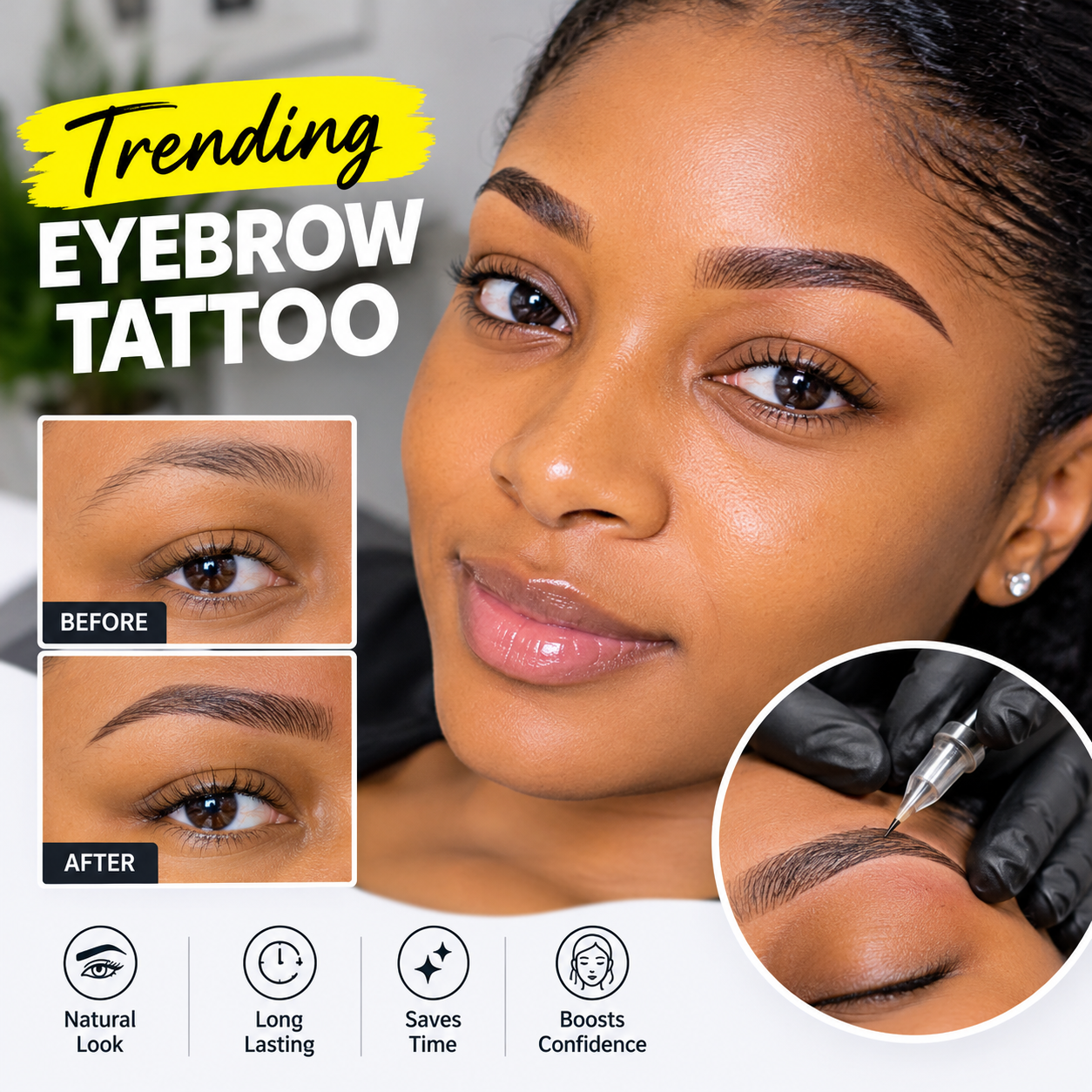
Choosing an eyebrow tattoo for the first time can feel confusing. You need to consider your face shape, natural brow hair, skin type, pigment colour, and preferred look. The technique also matters because different methods create different results.
The right eyebrow tattoo should complement your natural features. It should not make your face look unnatural or force you to follow a beauty trend that does not suit you.
For beginners, the best eyebrow tattoo is one that matches your facial features, complements your skin tone, suits your skin type, and fits your maintenance routine. A qualified cosmetic tattoo artist can help you assess these before treatment.
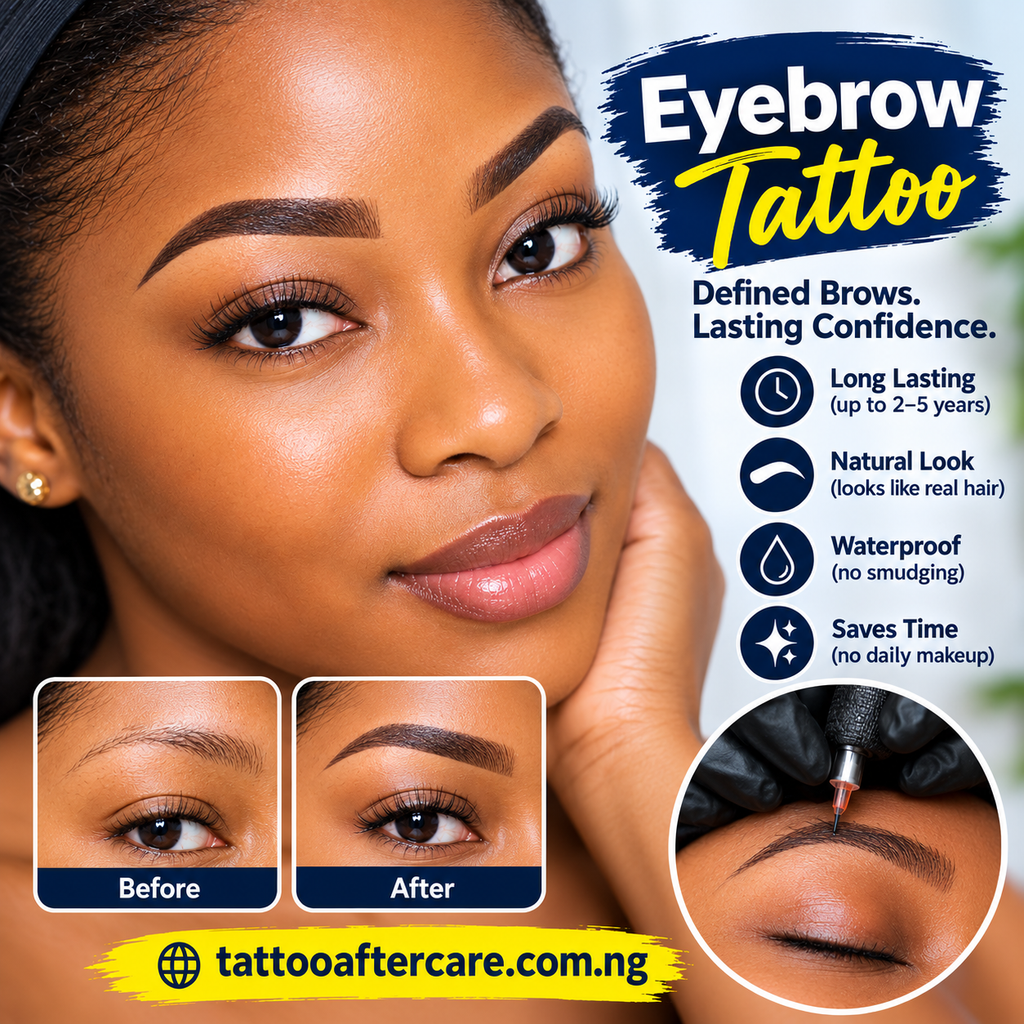
In this guide i will explain how to choose your eyebrow tattoo shape, colour, and technique. It also covers preparation, healing, aftercare, risks, and common mistakes to avoid.
Also check:
Tattoo Aftercare: How to Prevent Your Skin From Getting Too Dry
How to Sleep With a Fresh Tattoo Without Damaging It
What Is an Eyebrow Tattoo?
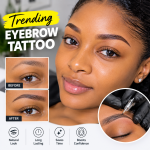
An eyebrow tattoo is a cosmetic procedure that places pigment into the skin to create fuller, more defined eyebrows. It can improve the appearance of sparse brows, uneven shapes, or areas with little natural hair.
Modern eyebrow tattooing includes many techniques. Some create fine, hair-like strokes. Others produce a soft, makeup-like effect. Combination techniques use both strokes and shading.
Although people often call these procedures permanent eyebrow tattoos, many modern cosmetic brow treatments are semi-permanent. Their appearance gradually fades as the skin changes and the pigment breaks down.
Results vary by technique, pigment, skin type, lifestyle, and aftercare. You may also need a touch-up to refine the colour or shape after the initial healing period.
How Do You Choose the Right Eyebrow Tattoo as a Beginner?
Choose your eyebrow tattoo by assessing five things:
- Face shape: Consider how the brow arch and overall outline complement your features.
- Natural brow hair: Use your existing brows as a starting point for shape and density.
- Skin tone and undertone: Select a pigment that works with your complexion and natural colouring.
- Skin type: Discuss how oily, dry, sensitive, or mature skin may affect your results.
- Personal style: Decide whether you prefer subtle definition, visible shading, or a fuller makeup look.
Do not choose a treatment based only on a photograph you saw online. A brow style that looks beautiful on one person may not produce the same effect on another.
How to Choose the Best Eyebrow Tattoo Shape for Your Face
Your eyebrow shape affects how your eyes and other facial features appear. A suitable design can create balance and definition. However, there is no single eyebrow shape that works for everyone with the same face shape.
Your natural brow growth, bone structure, eye spacing, forehead proportions, and personal preference all matter.
Oval Face
An oval face often suits a range of eyebrow shapes. A soft arch can add definition without creating a dramatic appearance.
Beginners can consider a natural, gently curved brow that follows their existing growth pattern.
Round Face
A softly angled arch can add definition to a round face. Avoid choosing an exaggerated arch simply to make your face appear longer.
Ask your artist to create a shape that balances your features without looking overly sharp.
Square Face
A softly curved or moderately angled brow may complement a stronger jawline. The goal is to create balance rather than add unnecessary harshness.
Long Face
A relatively straight brow with a gentle arch may help balance facial proportions. Avoid extending the tail too far downward if you want to maintain a lifted appearance.
Heart-Shaped Face
A soft, natural arch can complement a broader forehead and narrower chin. Keep the design balanced and avoid making the brow excessively thick or angular unless that is your preferred look.
Diamond-Shaped Face
A gently curved brow can soften angular features. Your artist should consider the width of your cheekbones and the natural position of your brows before finalising the design.
Important: Treat face-shape suggestions as starting points, not strict rules. Your natural features and preferences should guide the final design.
What Should You Check Before Approving Your Brow Shape?
Ask your artist to draw the proposed eyebrows before starting the procedure.
Check the following:
- Do both brows look balanced when you face forward?
- Does the shape follow your natural brow structure?
- Does the arch look natural rather than exaggerated?
- Are the brows too thick, too thin, or too close together?
- Does the tail sit at a flattering angle?
- Do you feel comfortable with the shape when your face is relaxed?
Facial symmetry is rarely perfect. Your artist should aim for visual balance rather than force both brows into identical shapes.
Never approve a design because you feel pressured to begin. Ask for adjustments until you understand and accept the proposed shape.
How to Choose the Right Eyebrow Tattoo Colour
Colour selection is just as important as shape. The wrong pigment can make your eyebrows look too harsh, too warm, too cool, or disconnected from your natural hair colour.
Your artist should consider your skin tone, undertone, natural brow hair, hair colour, and desired result.
Understand Your Skin Undertone
Skin undertone refers to the subtle colour beneath the surface of your skin. It is often described as warm, cool, or neutral.
- Warm undertones: Golden or warm brown pigment options may complement your natural colouring.
- Cool undertones: Neutral or carefully selected cooler brown tones may create a balanced appearance.
- Neutral undertones: Several brown shades may work, depending on your hair colour and preferred finish.
These are general starting points. Pigments can heal differently in different skin types, so your artist should assess your individual colouring.
Match the Pigment to Your Natural Brow Hair
Your tattoo colour does not need to match every hair on your head exactly. Instead, it should complement your natural brows and overall appearance.
| Natural brow or hair colour | Shades to discuss with your artist |
|---|---|
| Blonde or light brown | Taupe, soft brown, or light neutral brown |
| Medium brown | Medium brown or neutral brown |
| Dark brown | Deep brown or rich chocolate brown |
| Black hair | Deep brown or a suitable dark neutral pigment |
| Red or auburn hair | Warm brown or carefully balanced auburn-brown tones |
| Grey or white hair | Soft grey-brown, taupe, or another shade chosen after assessing your skin tone |
This table provides starting points, not guaranteed matches. Your artist should consider your natural brow hair, complexion, undertone, and how the pigment is expected to heal.
Should You Choose Black Eyebrow Tattoo Pigment?
Do not assume that black pigment is the best choice just because your hair is black.
A very dark pigment may create an overly harsh appearance. Some pigments may also change in appearance as they fade. A qualified artist can help you choose a suitable dark brown or another appropriate pigment based on your features.
Ask to see healed results, not only photographs taken immediately after treatment. Fresh brows often look darker and more defined than healed brows.
Why Should Beginners Avoid Choosing Colour Too Quickly?
Your brows may look different during healing. The initial colour can appear darker than expected. It may then look lighter or less defined as the skin heals.
Do not judge the final result immediately after your appointment. Follow your artist’s aftercare instructions and wait until the recommended healing period has passed before assessing the colour.
Which Eyebrow Tattoo Technique Is Best for Beginners?
The best technique depends on the result you want, your skin type, your natural brow hair, and your artist’s assessment.
Three popular options are microblading, powder brows, and combination brows.
Microblading
Microblading uses a manual tool to create fine strokes that resemble natural eyebrow hairs.
Best for: People who want a hair-stroke appearance and whose skin and brow goals are suitable for the technique.
Potential benefits:
- Creates the appearance of individual brow hairs.
- Can fill small gaps in sparse eyebrows.
- May produce a subtle result when performed well.
Things to consider:
- The strokes may blur or become less distinct as the pigment fades.
- Oily skin can affect how the strokes heal and retain pigment.
- The procedure creates small cuts in the skin and carries risks of infection, scarring, and pigment changes.
Ask your artist whether microblading is suitable for your skin rather than assuming it works for everyone.
Powder Brows
Powder brows use a machine to deposit small amounts of pigment, creating a soft, shaded effect. The finished appearance can resemble eyebrow powder or pencil.
Best for: People who prefer a filled-in brow look or want a more defined appearance without individual hair strokes throughout the brow.
Potential benefits:
- Creates a soft or more defined makeup-like finish.
- Allows the artist to build shading gradually.
- May suit some people with oily skin better than microblading.
Things to consider:
- The result may look more like makeup than natural hair strokes.
- The final intensity depends on the technique and pigment choice.
- Your artist must adjust the design to your features and skin.
Combination Brows
Combination brows blend hair-like strokes with shading. The artist may use strokes near the front of the brow and shading through the body and tail.
Best for: People who want both the appearance of natural hairs and extra fullness.
Potential benefits:
- Combines two visual effects.
- Can add definition to sparse brows.
- Allows some flexibility in the balance between strokes and shading.
Things to consider:
- The result depends heavily on the artist’s skill.
- Not every skin type is suitable for every combination technique.
- The treatment may cost more than a simpler procedure.
Eyebrow Tattoo Technique Comparison
| Feature | Microblading | Powder brows | Combination brows |
|---|---|---|---|
| Main appearance | Hair-like strokes | Soft shading | Strokes and shading |
| Overall finish | Natural-looking strokes | Makeup-like definition | Textured and fuller |
| Skin suitability | Requires individual assessment | Often considered for oily skin | Depends on skin and technique |
| Main consideration | Stroke clarity during healing | Desired shading intensity | Artist skill and design |
| Best starting point | People seeking visible hair strokes | People who prefer filled-in brows | People who want a blend of both |
No technique guarantees a particular result. Ask your artist to explain why they recommend one option over the others for your skin and goals.
How Does Skin Type Affect Your Eyebrow Tattoo?
Your skin type can influence pigment retention, healing, and the final appearance. This is why an experienced artist should assess your skin before recommending a procedure.
Oily Skin
Oily skin may cause fine strokes to look less crisp over time. Some people with oily skin may benefit from powder brows, but your artist should make an individual assessment.
Dry Skin
Dry skin may be suitable for several techniques. However, the artist must assess the condition of your skin and avoid treating irritated or damaged areas.
Sensitive Skin
Tell your artist about previous reactions to cosmetics, pigments, adhesives, or numbing products. Ask whether any screening or patch testing is appropriate.
A patch test does not eliminate every risk of an allergic reaction.
Mature Skin
Mature skin varies from person to person. Some people have thinner or more fragile skin, which may affect the technique an artist recommends.
Choose a professional who can explain how they adapt their method to your skin’s condition.
Darker Skin Tones
People with darker skin can get attractive eyebrow tattoo results. However, pigment selection, skin response, and technique require careful consideration.
Look for an artist with healed examples on clients whose skin tones are similar to yours. Discuss the risk of pigment appearing too cool, too warm, or uneven after healing.
People with a history of keloid scarring, unusual skin reactions, or pigmentation problems should discuss their concerns with an appropriate healthcare professional before treatment.
What Should You Look for in an Eyebrow Tattoo Artist?
Choosing a skilled artist is one of the most important decisions you will make. A suitable shape and colour still require correct technique, hygiene, and aftercare.
Use this checklist before booking.
- Check qualifications: Ask about relevant training and local licensing or registration requirements.
- Review healed results: Look for photographs taken after the healing period.
- Check hygiene: Confirm that the studio follows proper infection-control practices and uses sterile, single-use needles or blades where applicable.
- Ask about pigments: Find out which pigments the artist uses and how they select colours.
- Discuss your skin type: The artist should assess your skin rather than recommend the same technique to everyone.
- Request a consultation: Review the proposed shape and colour before treatment begins.
- Ask about touch-ups: Understand the expected healing process, follow-up schedule, and additional costs.
- Check the studio’s policies: Ask how the artist handles complications, corrections, and concerns after treatment.
Do not choose an artist based on price alone. Poorly performed cosmetic tattooing can lead to results that require expensive correction or removal.
How Should You Prepare for Your First Eyebrow Tattoo?
Good preparation helps you understand the procedure and reduces avoidable problems.
Before your appointment:
- Research the technique. Know whether you are considering microblading, powder brows, or combination brows.
- Bring reference photos. Choose examples that reflect your preferred shape and finish.
- Discuss your medical history. Tell your artist about skin conditions, allergies, medications, and previous cosmetic procedures.
- Follow the studio’s preparation instructions. Ask which skincare products, treatments, or activities you should avoid before the appointment.
- Avoid arriving with irritated skin. Tell the artist if you have a rash, infection, sunburn, or other active skin problem.
- Confirm the design. Review the brow outline and colour before the artist starts tattooing.
- Plan for healing. Arrange your schedule so you can follow the aftercare instructions and avoid activities that may interfere with recovery.
Do not stop prescribed medication or use numbing products on your own. Ask your healthcare professional or the treating practitioner for guidance when necessary.
What Happens During an Eyebrow Tattoo Appointment?
The exact process varies by artist and technique. However, most appointments follow a similar sequence.
Consultation
Your artist asks about your preferred look, natural brow hair, skin type, and relevant health concerns.
Brow Mapping
The artist measures and draws a proposed shape. You review the design and request adjustments before treatment.
Colour Selection
The artist selects a pigment based on your complexion, undertone, hair colour, and desired result.
Pigment Application
The artist uses the chosen technique to place pigment in the skin. Discomfort varies from person to person. A suitable topical anaesthetic may be used according to professional guidance and product instructions.
Aftercare Instructions
Before you leave, the artist should explain how to care for the treated area, what changes to expect, and when to seek help.
Do not feel pressured to continue if you are unhappy with the design or do not understand the procedure.
Eyebrow Tattoo Healing: What Should Beginners Expect?
Your eyebrows may look different throughout the healing process. The initial colour often appears darker than the eventual result. The skin may also feel tender, and mild swelling or redness can occur.
Flaking and changes in colour may follow as the skin heals. The brows can temporarily appear lighter or less defined before the result settles.
Healing varies by person and technique. Follow the specific instructions provided by your artist rather than relying on a fixed timeline.
For more guidance on caring for a new tattoo, read our tattoo aftercare guide and our article on 7 tips for proper healing of your new tattoo.
Eyebrow Tattoo Aftercare Tips
Follow these general precautions while your brows heal:
- Keep your hands clean before touching the area.
- Follow your artist’s cleaning and aftercare instructions.
- Do not pick, scratch, or pull off flaking skin.
- Avoid applying unapproved products or makeup to the healing area.
- Limit activities and exposures that your artist advises against, including swimming, heavy sweating, or direct sun exposure during the initial healing period.
- Do not use exfoliating acids, retinoids, or other active skincare products on the treated area until it is safe to do so.
- Attend your follow-up appointment if your artist recommends one.
Aftercare instructions can differ. Do not assume that every eyebrow tattoo requires the same ointment or that keeping the area completely dry is always the correct approach.
When to seek medical help: Increasing pain, spreading redness, worsening swelling, pus, fever, or other signs of infection need prompt medical assessment. Seek urgent care if you experience a severe allergic reaction or rapidly worsening symptoms.
How Long Does an Eyebrow Tattoo Last?
Eyebrow tattoo results vary. Some cosmetic brow treatments remain visible for a year or longer, while others fade sooner or last longer.
Several factors affect longevity:
- The technique used.
- The type and colour of pigment.
- Your skin type and natural healing response.
- Sun exposure and skincare habits.
- Your body’s response to the pigment.
- Whether you receive recommended touch-ups.
Do not assume that a semi-permanent eyebrow tattoo will disappear completely by a specific date. Fading can be uneven, and some pigment may remain visible for years.
Before treatment, ask your artist how the technique usually fades and what maintenance costs you should expect.
Common Eyebrow Tattoo Mistakes Beginners Should Avoid
Avoid these common mistakes when planning your first treatment.
Choosing a Trend Instead of a Suitable Shape
A popular brow style may not complement your natural features. Choose a design that suits your face and preferences.
Selecting a Pigment That Is Too Dark
Very dark brows can look harsh, especially when the pigment is fresh. Discuss how the colour may appear after healing.
Ignoring Skin Type
A technique that works well for one person may not work as well for another. Ask for an individual assessment.
Booking the Cheapest Artist Without Checking Their Work
Low prices do not guarantee poor results, and high prices do not guarantee excellent work. Review healed photographs, hygiene practices, training, and consultation quality.
Expecting Immediate Final Results
Freshly tattooed brows may look darker or more defined than healed brows. Give the skin time to recover before judging the final colour.
Picking at Scabs or Flaking Skin
Picking can interfere with healing and may cause pigment loss, scarring, or infection. Let the skin heal according to your aftercare instructions.
Skipping Aftercare
Aftercare is part of the procedure, not an optional extra. Follow your artist’s instructions and seek medical advice if you develop concerning symptoms.
Assuming the Procedure Is Completely Risk-Free
Cosmetic eyebrow tattooing can cause infection, allergic reactions, scarring, and unwanted pigment changes. Careful artist selection and proper hygiene reduce avoidable risks but cannot eliminate every complication.
Is an Eyebrow Tattoo Worth It for Beginners?
An eyebrow tattoo may be worth considering if you want fuller-looking brows, have sparse areas, or want to spend less time filling in your eyebrows each day.
It may not be the right choice if you frequently change your preferred brow shape, are uncomfortable with a long-lasting result, or do not want to follow aftercare instructions.
Consider the initial cost, possible touch-ups, healing period, and difficulty of correcting unwanted results.
If you are unsure, try drawing your preferred brow shape with makeup first. Take photographs from different angles and live with the design for a few days. This can help you decide whether you like the shape before committing to cosmetic tattooing.
Frequently Asked Questions About Eyebrow Tattoos
What is the best eyebrow tattoo for beginners?
There is no single best technique for everyone. Microblading creates hair-like strokes, powder brows create a shaded finish, and combination brows blend both effects. Your skin type, natural brow hair, and preferred appearance should guide the decision.
How do I choose the right eyebrow tattoo colour?
Consider your natural brow hair, complexion, skin undertone, and desired look. Ask an experienced artist to recommend a pigment and show healed results on clients with similar colouring.
Which eyebrow tattoo shape suits my face?
The most suitable shape depends on your facial structure, natural brow growth, eye spacing, and personal preference. Face-shape guides can help you explore options, but professional brow mapping provides a more individual starting point.
Is eyebrow tattooing painful?
You may feel scratching, pressure, or discomfort during the procedure. Pain varies by person and technique. Ask your practitioner about appropriate ways to manage discomfort.
How long does an eyebrow tattoo take to heal?
The visible healing process often takes several weeks, but timing varies. The skin may settle before the pigment reaches its final appearance. Follow your artist’s instructions and attend any recommended follow-up.
Can people with oily skin get eyebrow tattoos?
Yes, some techniques may suit people with oily skin. However, oily skin can affect pigment retention and the appearance of fine strokes. An experienced artist should assess your skin before recommending a method.
Can I wear makeup after an eyebrow tattoo?
Avoid applying makeup directly to the healing area until your practitioner confirms that it is safe. Applying products too early may irritate the skin or introduce bacteria.
Can an eyebrow tattoo be removed?
Removal or lightening may be possible, but it depends on the pigment, skin, and previous treatment. Options can involve risks such as scarring or pigment changes. Seek an assessment from a qualified removal professional before proceeding.
Do I need a touch-up after an eyebrow tattoo?
Some people need a follow-up treatment to refine colour or fill areas that healed unevenly. Your artist should explain the expected schedule and any additional costs before the first appointment.
Final Thoughts
Choosing your first eyebrow tattoo requires more than picking a design from social media. You need a shape that complements your features, a pigment that suits your colouring, and a technique that works with your skin.
Start with a consultation. Ask the artist to explain the available options and show healed results. Review the proposed shape carefully before approving the procedure.
Most importantly, choose a qualified professional who follows proper hygiene standards and gives clear aftercare instructions. A thoughtful decision before treatment can help you avoid preventable problems and achieve a result that suits your personal style.
For more practical advice about caring for tattoos, explore the guides at TattooAftercare.com.ng, including our complete tattoo aftercare guide.